
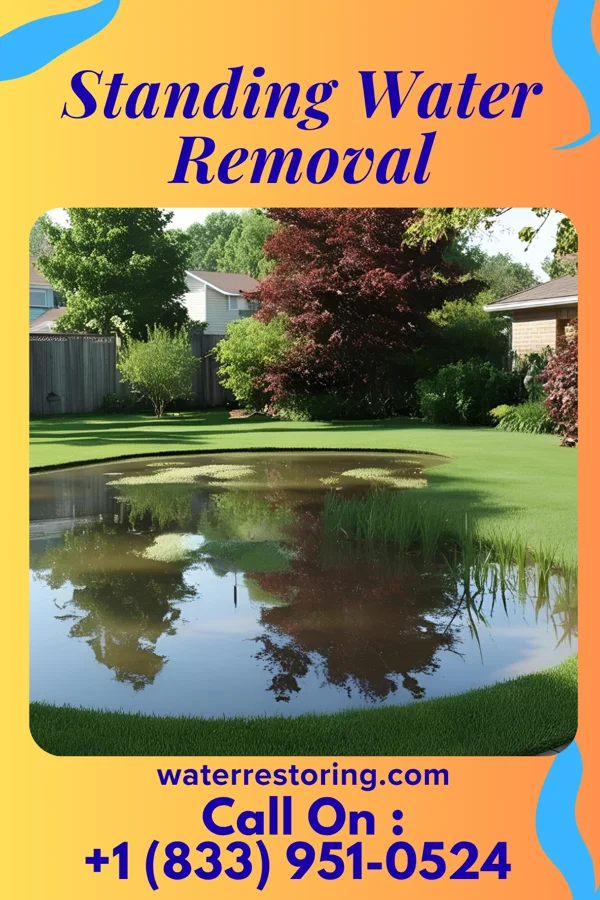
Standing Water Across Beverly Neighborhoods
Every neighborhood in Beverly has a different water damage risk profile. The one that shows up on most restoration calls is In Beverly, New Jersey, the primary water damage cause is often due to sudden plumbing failures, such as burst pipes and leaking water heaters, which can quickly lead to significant water accumulation in residential properties. Additionally, heavy rainfall during the spring and summer months can cause localized flooding in low-lying areas near Cornwells Heights and Croydon.. A close second is Secondary causes include malfunctioning sump pumps, backed-up sewer systems, and groundwater seepage, especially in older homes with inadequate drainage. These issues are common in the rural areas of Burlington County, where infrastructure may not be as robust as in more urbanized regions..
Beverly experiences a humid continental climate, which increases the risk of mold growth following water incidents. The region's frequent thunderstorms and occasional heavy precipitation contribute to the likelihood of water damage, particularly during the late spring and early fall.
Water damage in Beverly follows a few local patterns. In Beverly, New Jersey, the primary water damage cause is often due to sudden plumbing failures, such as burst pipes and leaking water heaters, which can quickly lead to significant water accumulation in residential properties. Additionally, heavy rainfall during the spring and summer months can cause localized flooding in low-lying areas near Cornwells Heights and Croydon. accounts for the bulk of our calls. Beverly experiences a humid continental climate, which increases the risk of mold growth following water incidents. The region's frequent thunderstorms and occasional heavy precipitation contribute to the likelihood of water damage, particularly during the late spring and early fall. Mold can develop rapidly in Beverly due to high humidity levels and the presence of older homes with less effective insulation. Prompt water damage restoration is critical to prevent long-term health and structural issues in the community.
For public guidance on the health effects of mold after prolonged water exposure, see the EPA mold and health page.